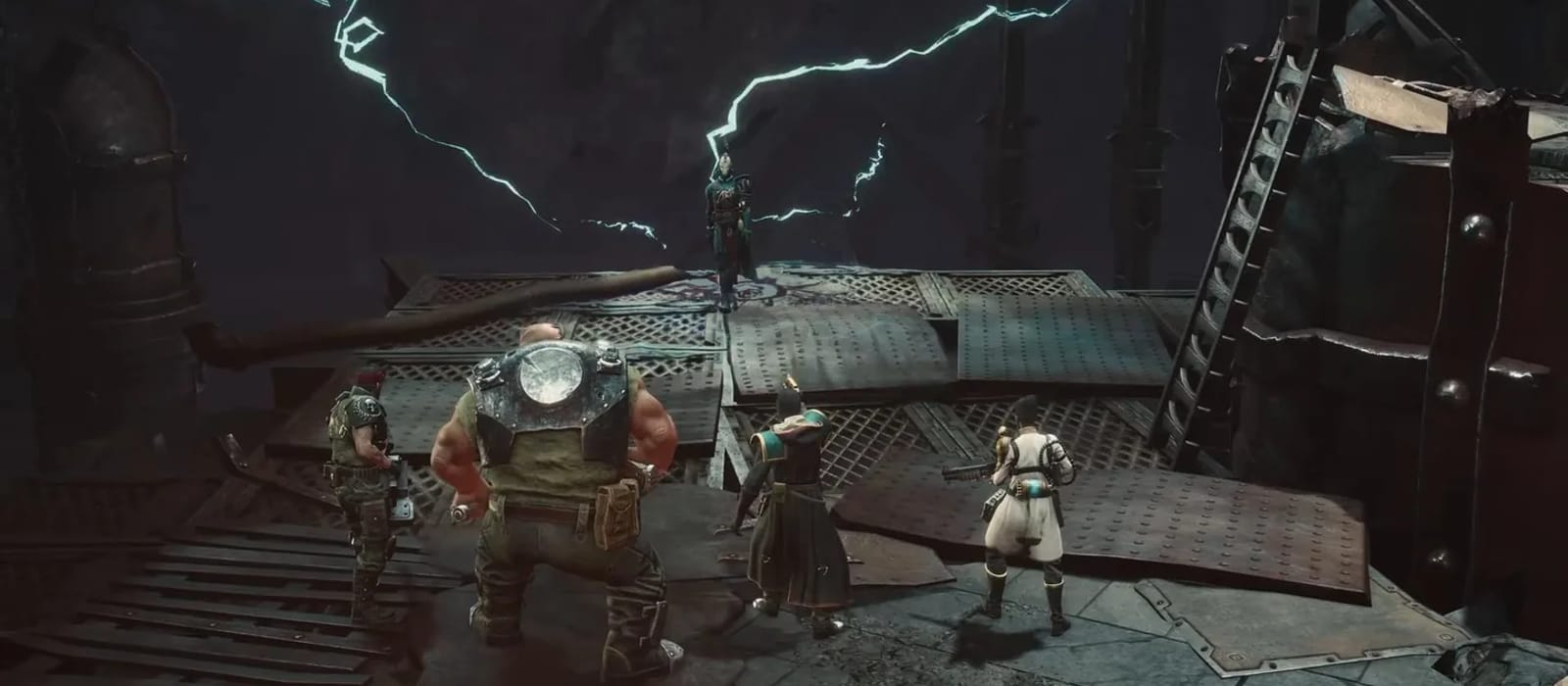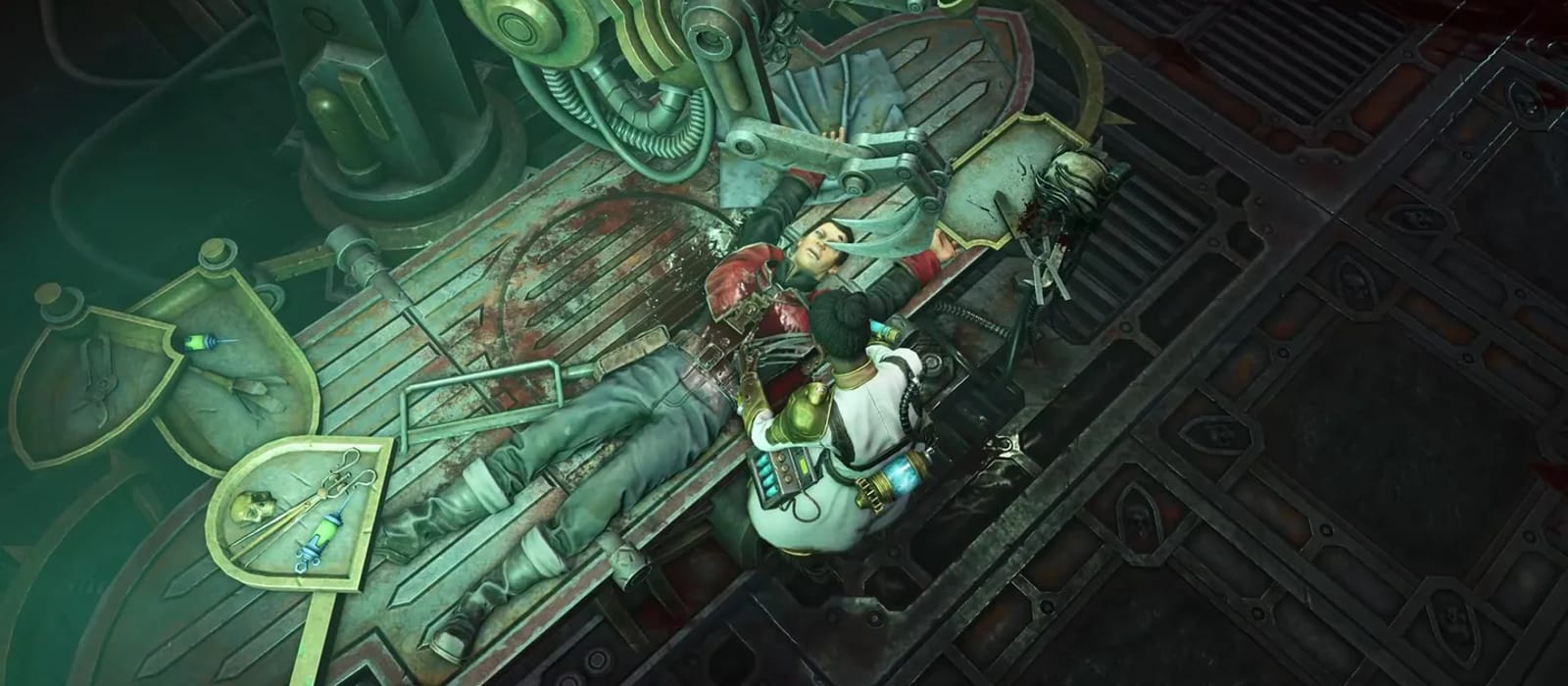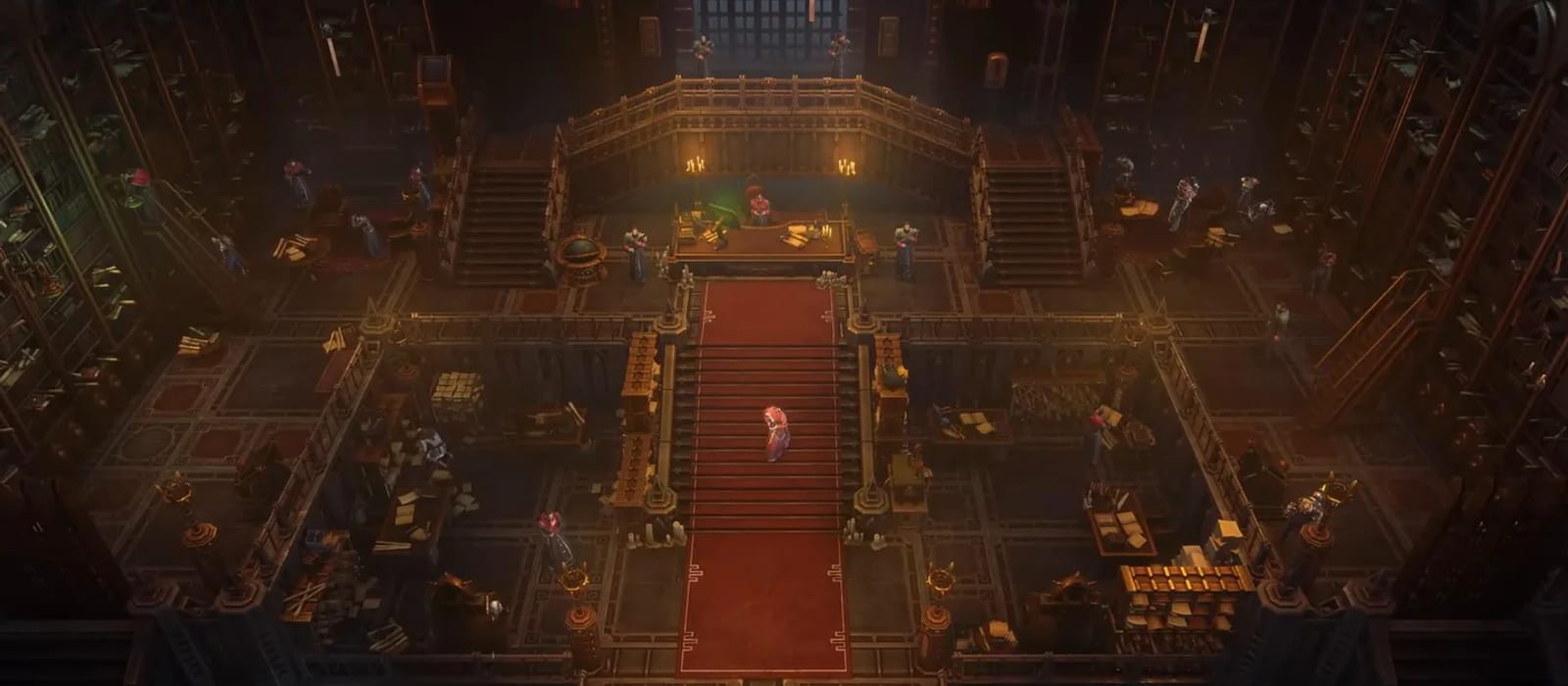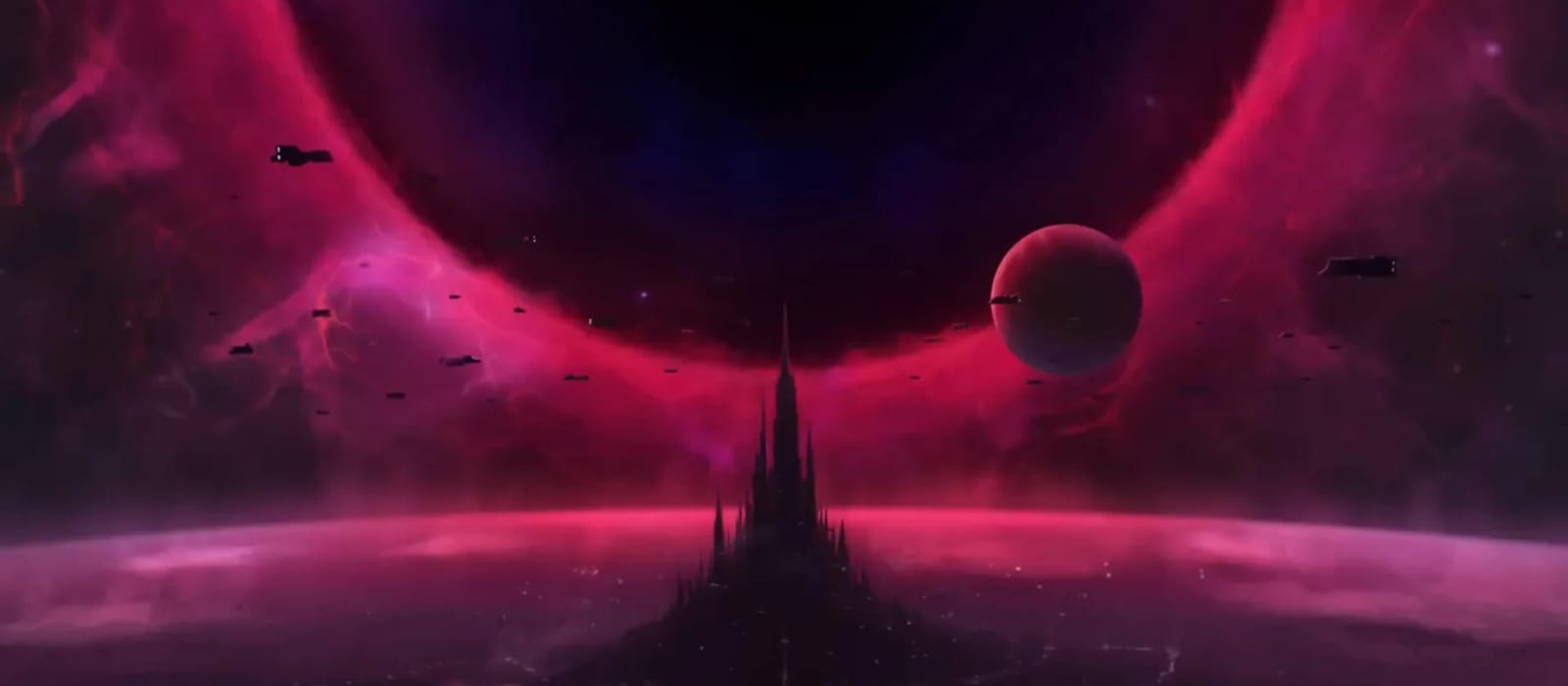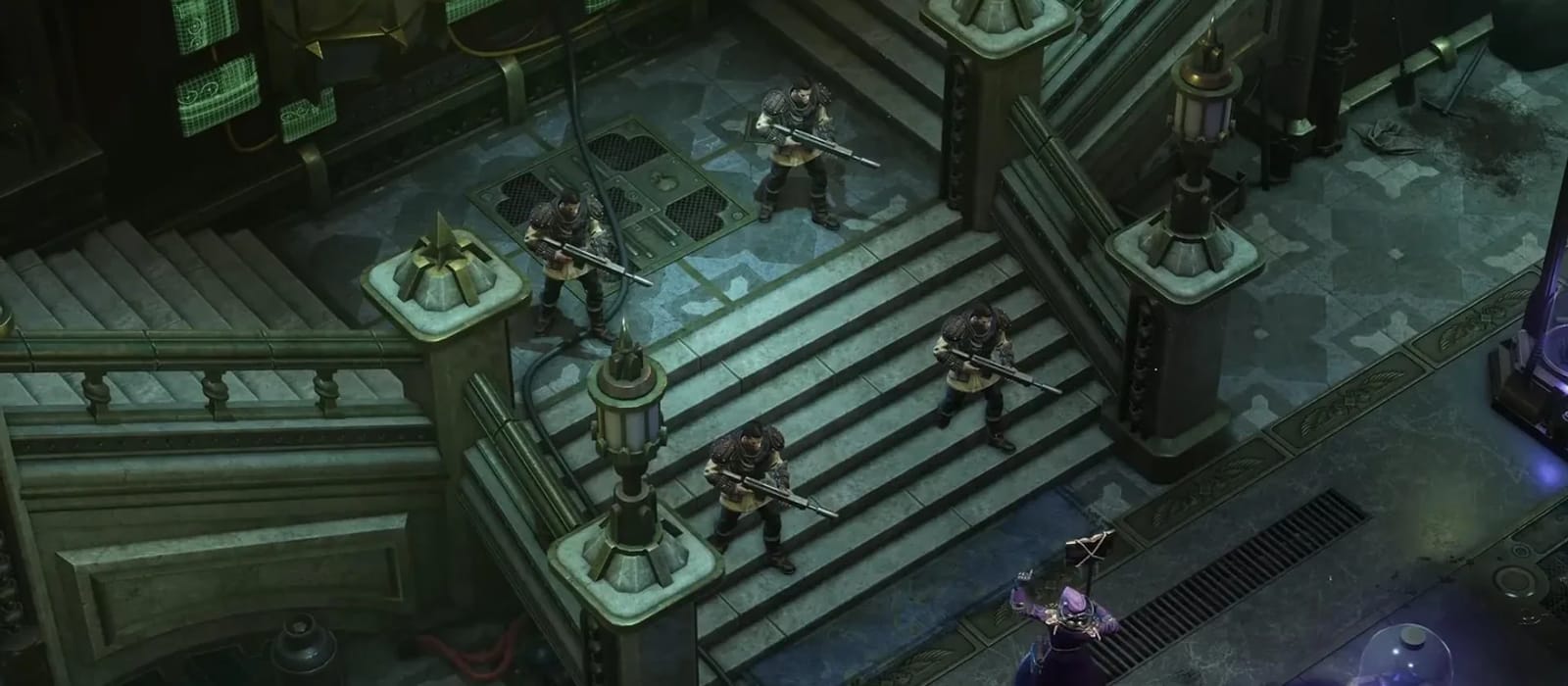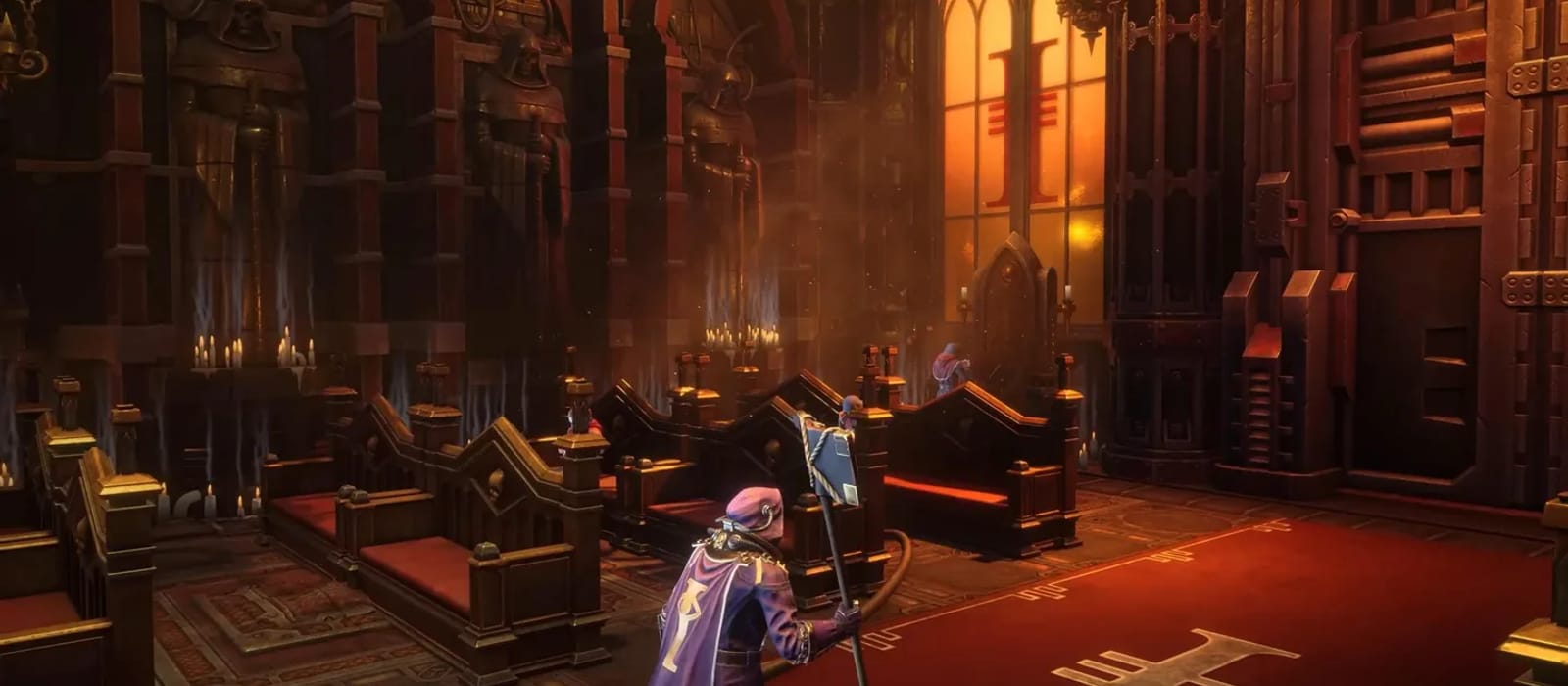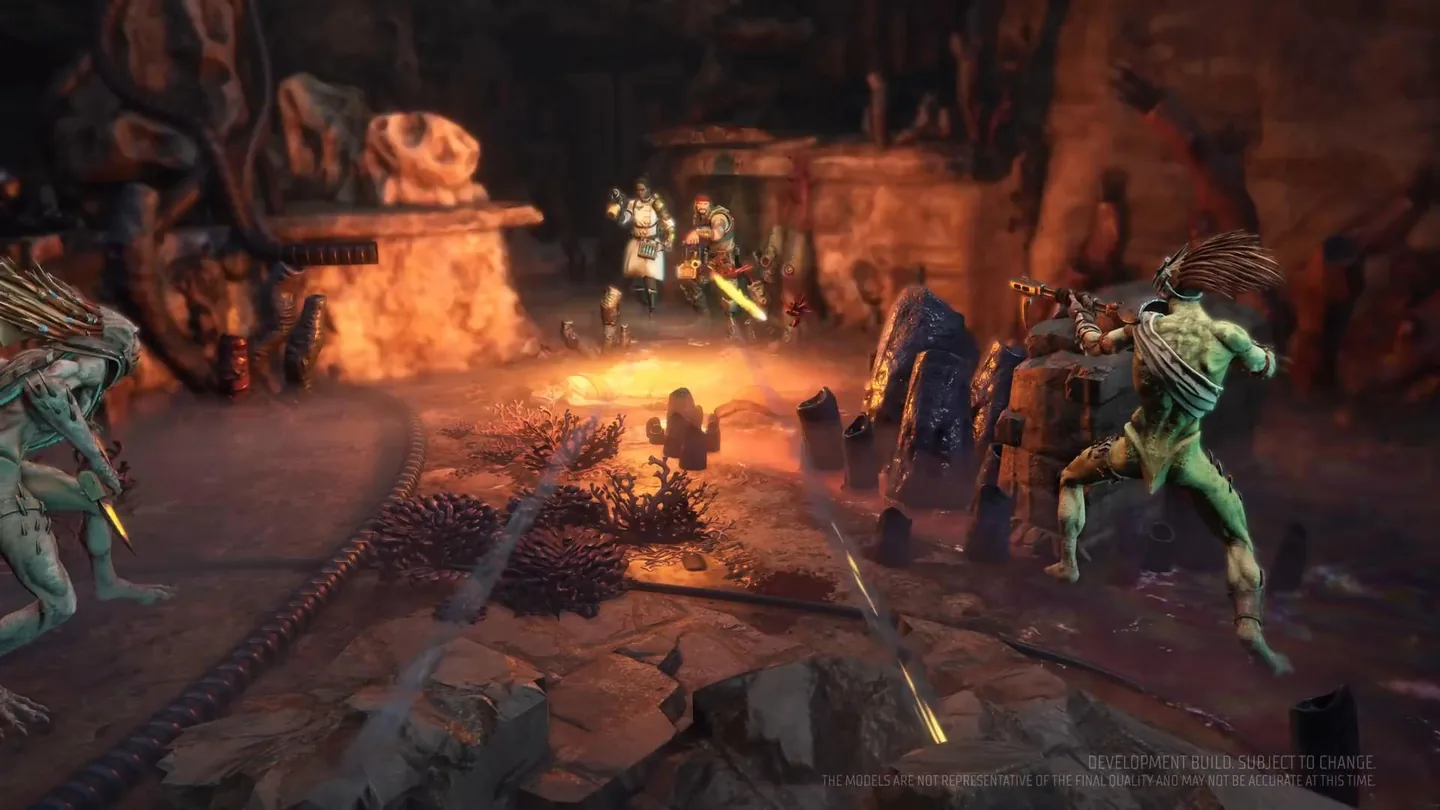
Warhammer 40,000: Dark Heresy is a single-player, isometric, turn-based CRPG where you split your time between detective work and tactical combat. You play an Acolyte of the Inquisition in the Calixis Sector, lead a warband through investigations into a string of disappearances, and fight with a reworked system built around cover, line of sight, body-part targeting and individual morale. Owlcat Games releases it on January 28, 2027.
Quick facts
- Genre
- Single-player, isometric, turn-based CRPG
- Developer
- Owlcat Games (Rogue Trader, Pathfinder)
- Combat
- Turn-based, cover, line of sight, body-part targeting
- Big change
- Individual morale replaces Momentum
- Investigations
- Evidence, witnesses, contradiction journal
- Release
- January 28, 2027 on PC, PS5, Xbox Series X|S
What kind of game is Dark Heresy?
Dark Heresy is a narrative-focused role-playing game based on the Dark Heresy tabletop RPG, which was published between 2008 and 2016. Owlcat Games, the studio behind Warhammer 40,000: Rogue Trader, develops and publishes it under license from Games Workshop.
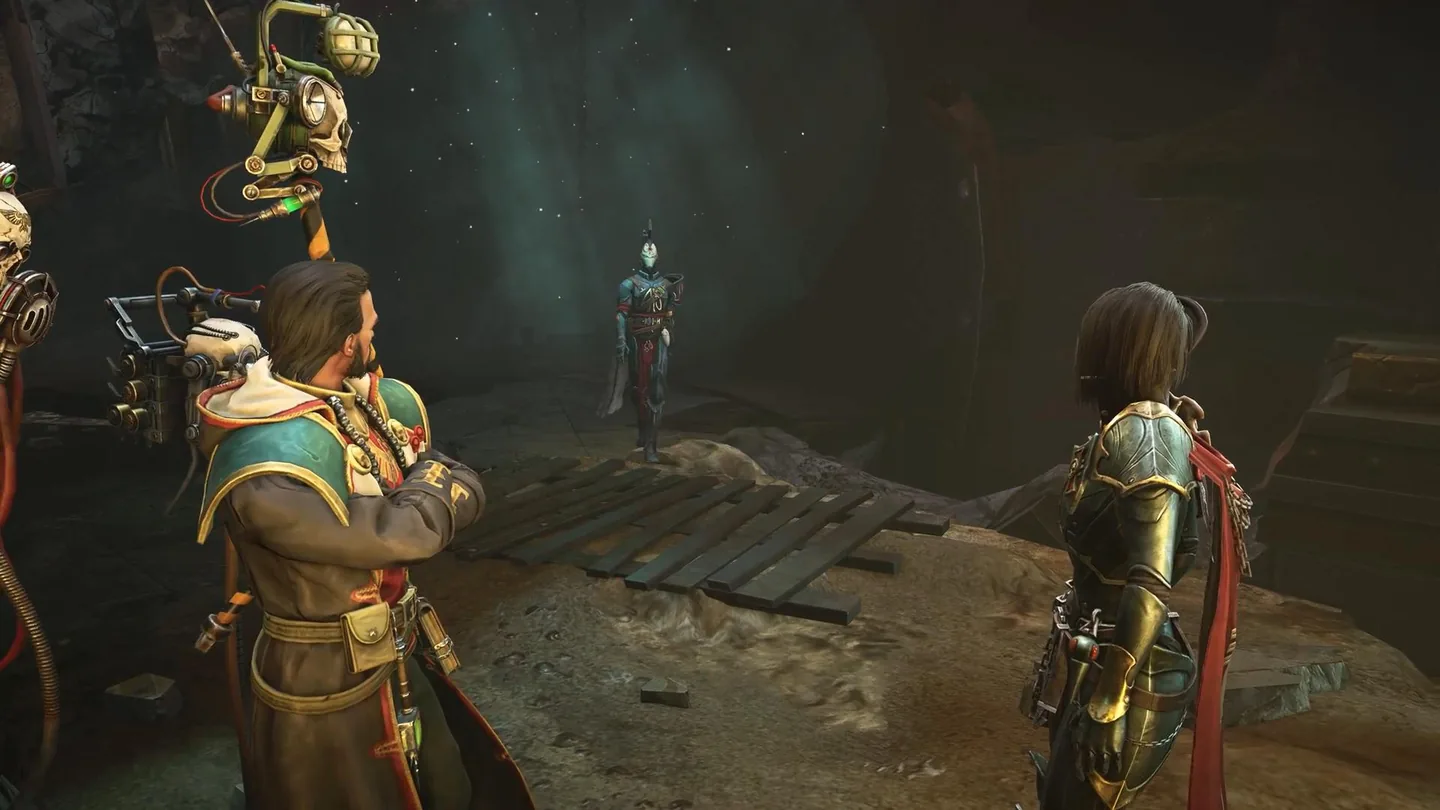
You start as a lowly Acolyte serving the Inquisition and build a warband of zealots and outcasts. The main thread is an investigation into a series of disappearances tied to the Tyrant Star, a phenomenon that can destroy entire planets. Night Lords, the traitor Space Marines, are among the antagonists.
Owlcat has said the game is darker and less heroic in tone than Rogue Trader, shorter, and more focused on reactivity. Most of its systems were rebuilt from scratch. If you want the side-by-side version, read our Dark Heresy vs Rogue Trader comparison.
How do investigations work?
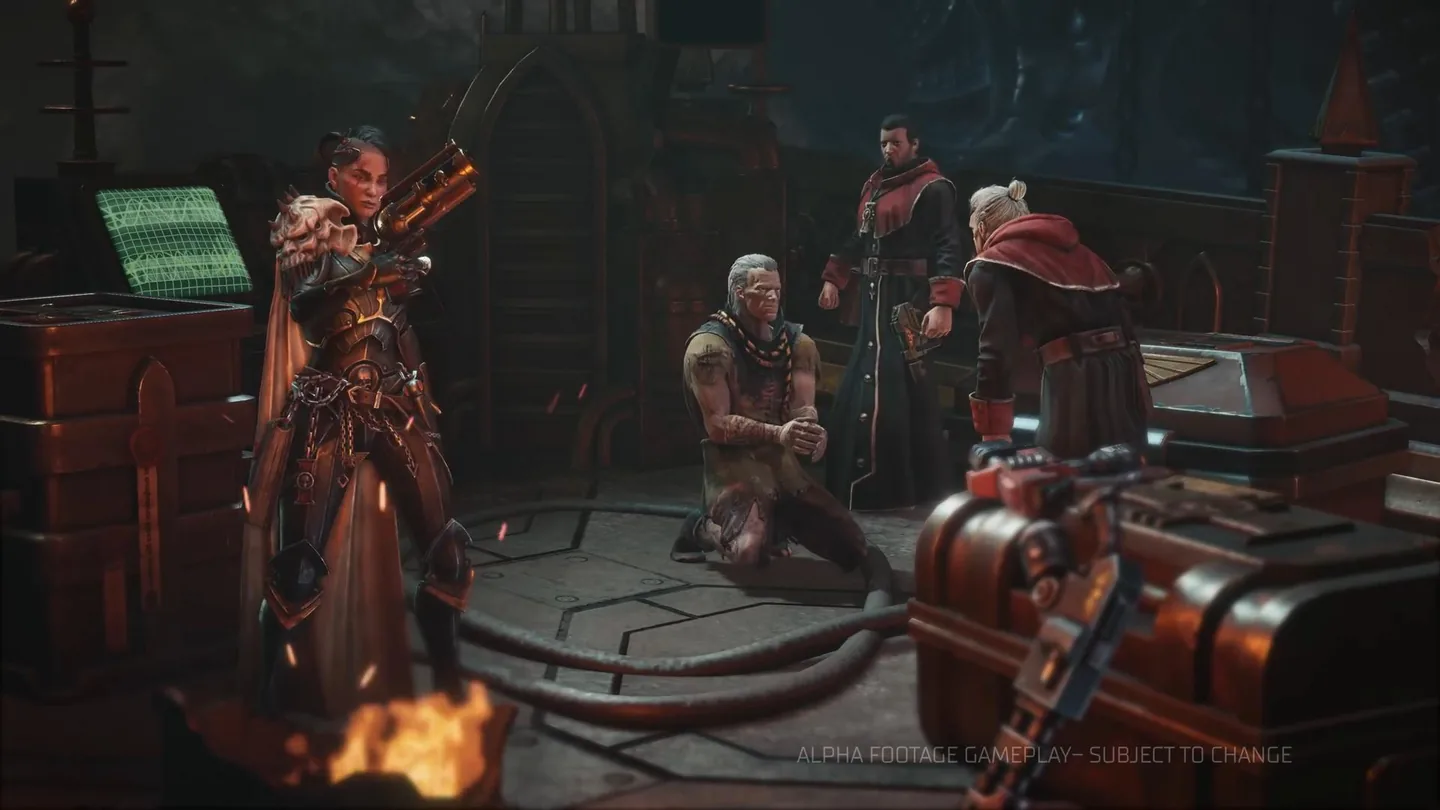
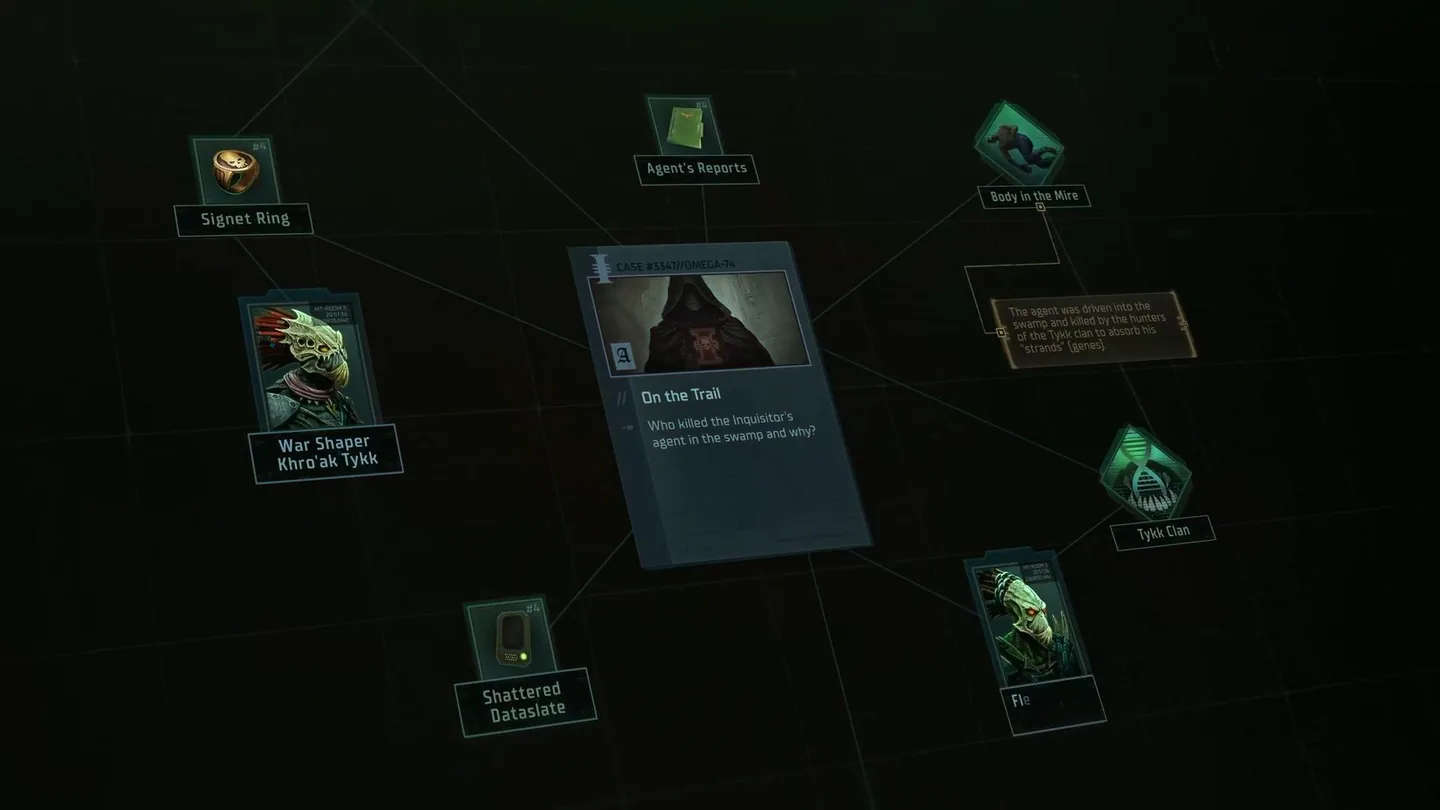
Investigations are the second pillar of the game, and Owlcat gave them their own Detective System Overview trailer in October 2026. A case plays out in a few steps:
- Gather evidence at the scene.
- Interview witnesses and suspects.
- Cross-check findings in a journal that flags contradictions between what you have learned.
- Consult your companions in the middle of an investigation for their take.
When you close a case you have two routes. You can dig until you uncover the truth, or you can assign blame. Both routes carry consequences, and the game lets you condemn an innocent person as a heretic without telling you whether you got it right.
How does combat work?
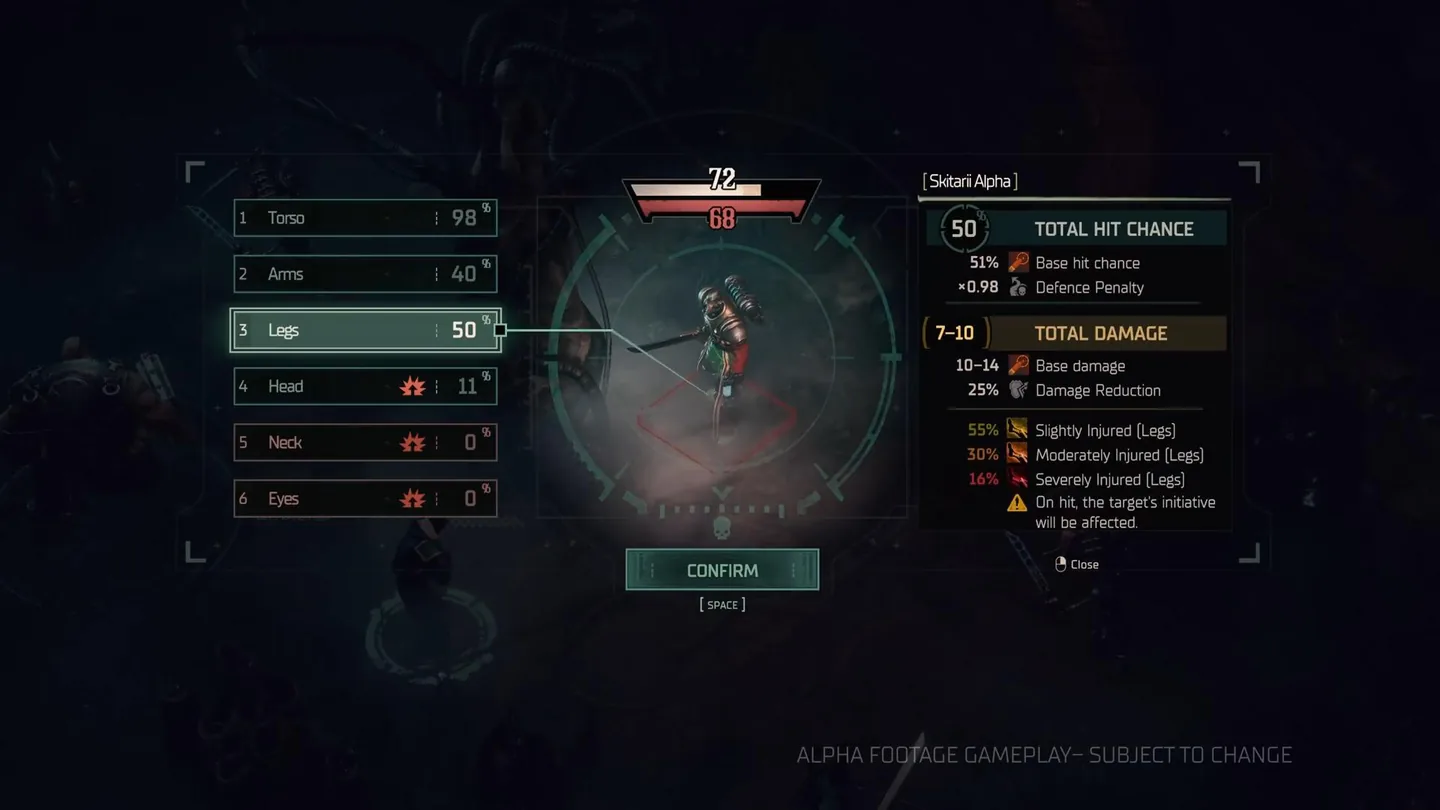
Combat is turn-based. Owlcat reworked cover and line of sight compared with Rogue Trader, and you can target individual enemy body parts instead of only picking a target.
A few more systems shape each fight:
- Concentration. Some enemies channel powerful actions over time. You can interrupt them by dealing damage or by lowering their morale.
- Zones of influence around combatants affect how you move and position.
- Armor as its own resource pool, separate from health, so stripping armor is part of the plan.
- Secondary objectives such as rescuing hostages, capturing targets alive and sealing warp rifts.
What is the morale system?
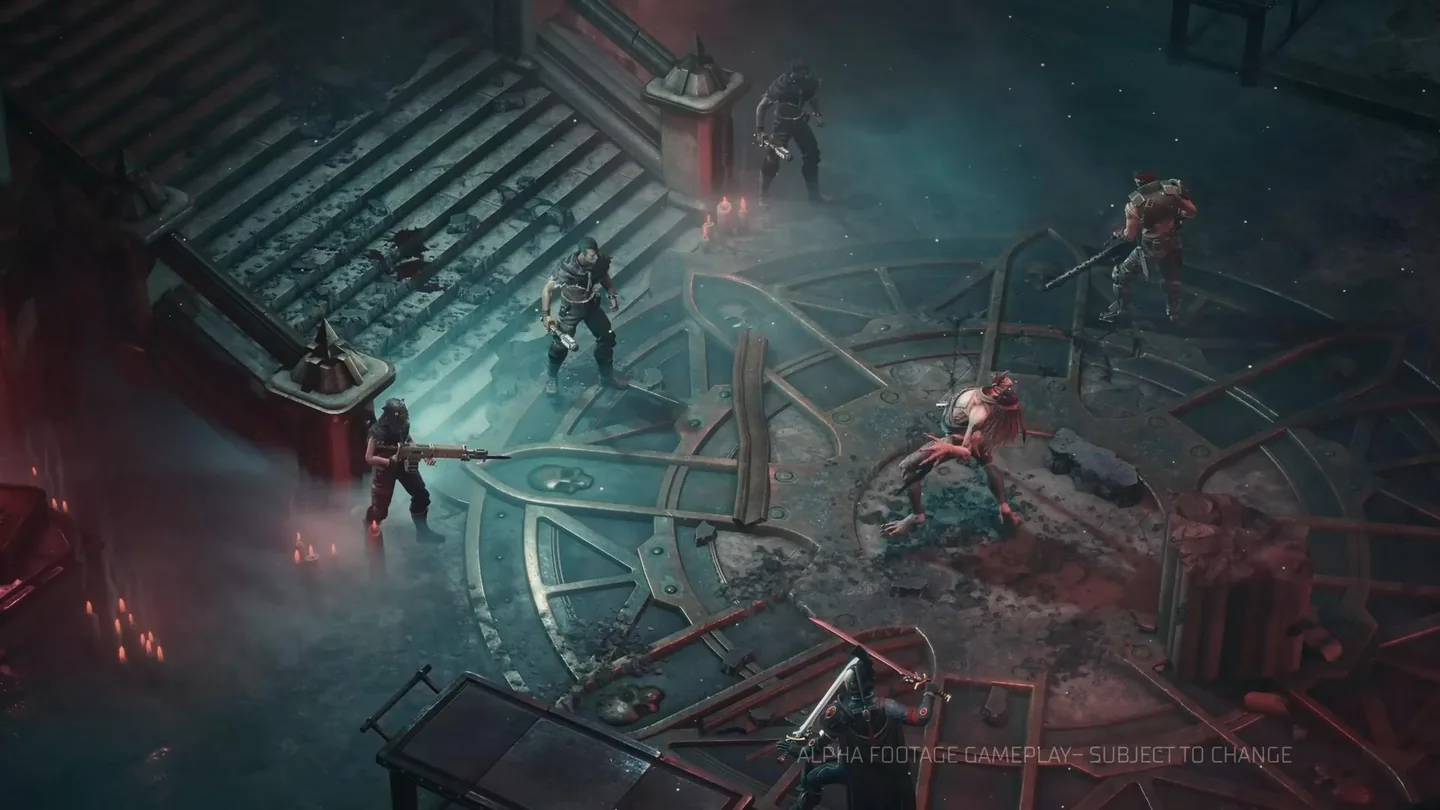
Morale is the biggest change from Rogue Trader. Instead of the shared Momentum meter, every character tracks individual morale. High morale gives buffs. Low morale can make a character panic or surrender.
That works both ways. If you break an enemy squad’s morale, the encounter can end without every enemy dead. You then decide what happens to the survivors: execute them or interrogate them. That ties combat back into investigations, since a captured enemy can be a source of answers.
How much do your choices matter?
Choice sits at the center of the game. Owlcat frames it as a split between upholding the Emperor’s strict mandate, a puritan path, and taking a radical, pragmatic approach. The game does not mark your decisions as right or wrong, and wrong calls can cost innocent lives.
Owlcat has not published how many endings there are or how a puritan or radical lean is tracked in numbers, so treat any claims about that as unconfirmed.
Who fights alongside you?
Your warband is built from companions you recruit. The closed beta had ten recruitable companions, each with a unique background ability, and Owlcat has named the release roster. See the full list in our Dark Heresy companions guide, and read about your own Acolyte in Dark Heresy character creation.
Can you try it before launch?
Founder’s Pack owners can play the closed beta on PC, which covers Act 1 (about 20 hours) on the capital world of Scintilla. It closes on January 7, 2027. Details are in our closed beta guide.
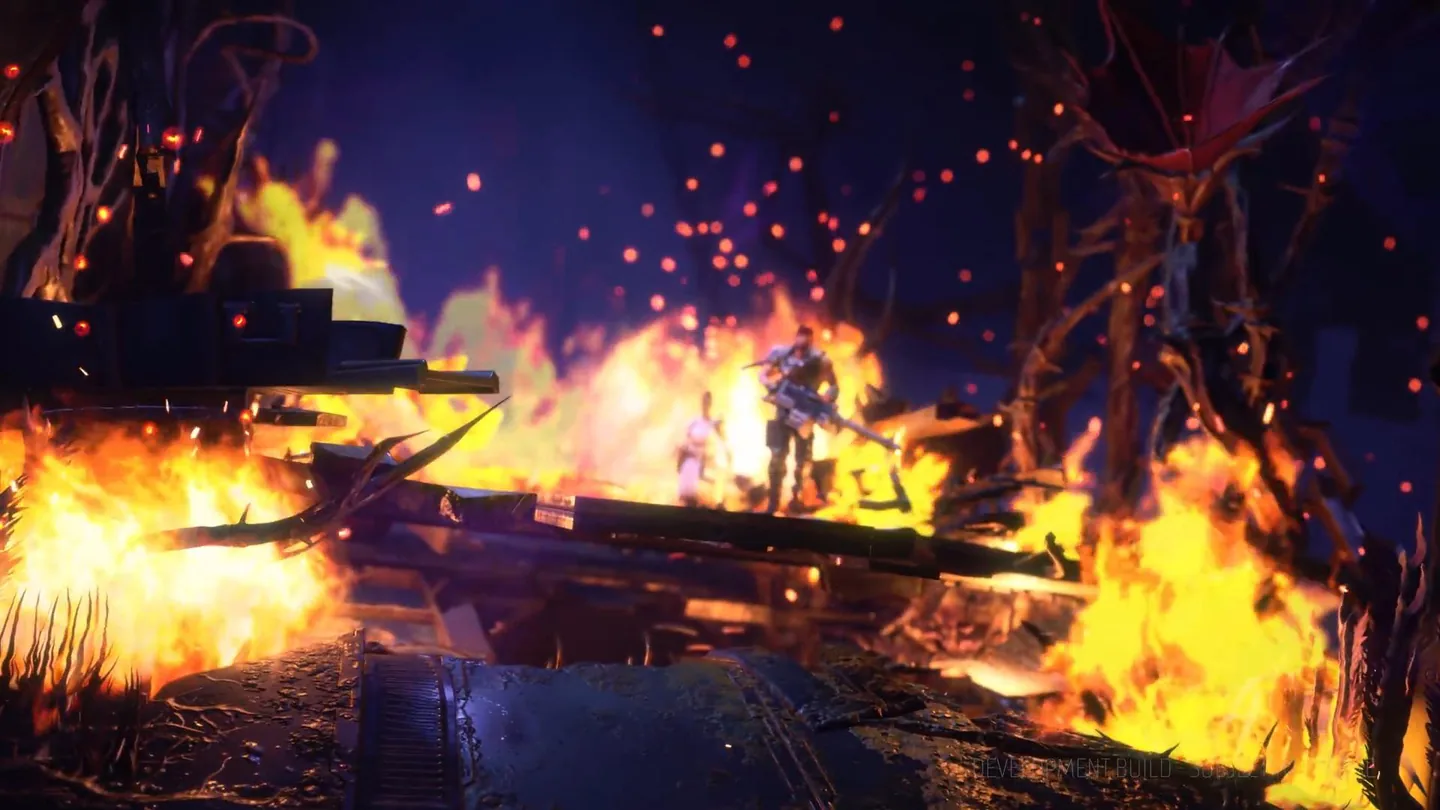
Dark Heresy release date
Platforms, launch day and what happens to the beta.See the release dateImage: © Owlcat Games / Games Workshop
Dark Heresy gameplay FAQ
Is Dark Heresy turn-based?
Yes. Warhammer 40,000: Dark Heresy is an isometric, turn-based, single-player CRPG from Owlcat Games.
Does Dark Heresy have Momentum like Rogue Trader?
No. Rogue Trader's shared Momentum system is replaced by individual morale for every combatant.
Can you win fights without killing everyone?
Yes. Breaking a squad's morale can end an encounter, and you can then execute or interrogate the survivors.
How do investigations work?
You gather evidence, interview witnesses and cross-check findings in a journal that flags contradictions, then resolve the case by finding the truth or by assigning blame.
Is Dark Heresy multiplayer?
No. It is a single-player game.
Can you aim at specific body parts?
Yes. Combat lets you target individual enemy body parts.